


Stock Market for Beginners: A Complete Guide to Start Investing in 2026


- PublishedDecember 3, 2025
Introduction
The Indian stock market has grown rapidly in the last few years, attracting beginners, young earners, and long-term investors. However, new investors often feel confused about where to start, what to buy, and how to avoid losses. This complete beginner-friendly guide will help you understand the stock market step-by-step so you can start investing confidently in 2026.
What Is the Stock Market?
A stock market is a marketplace where buyers and sellers trade shares of publicly listed companies.
In India, the two main stock exchanges are:
NSE (National Stock Exchange)
BSE (Bombay Stock Exchange)
When you buy a stock, you become a partial owner of a company like Reliance, TCS, HDFC Bank, or Infosys.
Why Do Companies Issue Shares?
Companies list on the stock market to:
- Raise funds for expansion
- Reduce debt
- Improve brand credibility
- Get public participation in growth
In return, investors get:
- Wealth creation
- Dividends
- Bonus shares
- Long-term capital appreciation
Essential Stock Market Terms (Beginners Must Know)
Share / Stock
A small ownership unit of a company.
- Index (Nifty & Sensex)
- Nifty 50 = Top 50 companies
- Sensex = Top 30 companies
These indices show the overall health of the market.
- Bull Market
Market going upward.
- Bear Market
Market falling downward.
- Demat Account
Where your shares are stored electronically.
- Broker
A platform (e.g., Zerodha, Angel, Upstox) through which you buy and sell shares.
- How to Start Investing (Step-by-Step Guide)
Step 1: Open a Demat + Trading Account
Choose a reliable broker with:
- Low brokerage
- Good mobile app
- Fast charting tools
Popular brokers:
✔ Zerodha
✔ Upstox
✔ Angel One
✔ ICICI Direct
Step 2: Complete KYC
You must upload:
- PAN
- Aadhaar
- Bank details
- Selfie for verification
Step 3: Add Funds to Your Account
Transfer money through UPI or net banking.
Step 4: Start With Simple Investment Options
Beginners should start with:
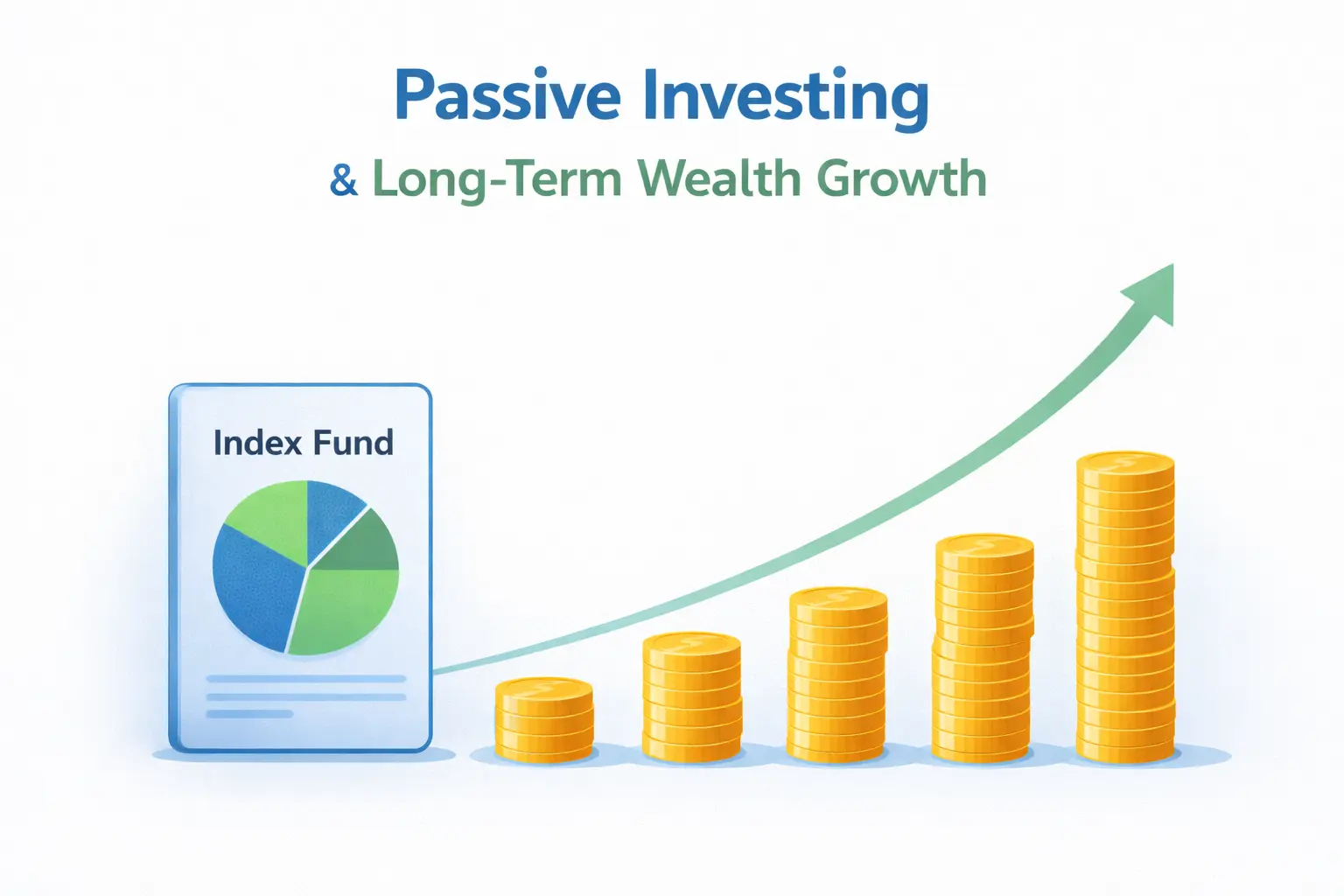
- Index Funds
- Large Cap Stocks
- Blue-Chip Companies
These are safe, stable, and trusted.
Types of Investment Strategies
Long-Term Investing (Best for Beginners)
Holding stocks for 5–10 years
- Low risk
- Compounding growth
- Ideal for wealth building
Examples: HDFC Bank, Infosys, TCS, Asian Paints.
- Swing Trading
- Holding for 2–15 days
- Medium risk
- Uses chart patterns and price action
- Good for active learners
- Intraday Trading
- Buy & sell on the same day
- High risk
- Not recommended for beginners
- Requires psychology, discipline & strategy
- How to Choose the Right Stocks (Beginner-Friendly Method)
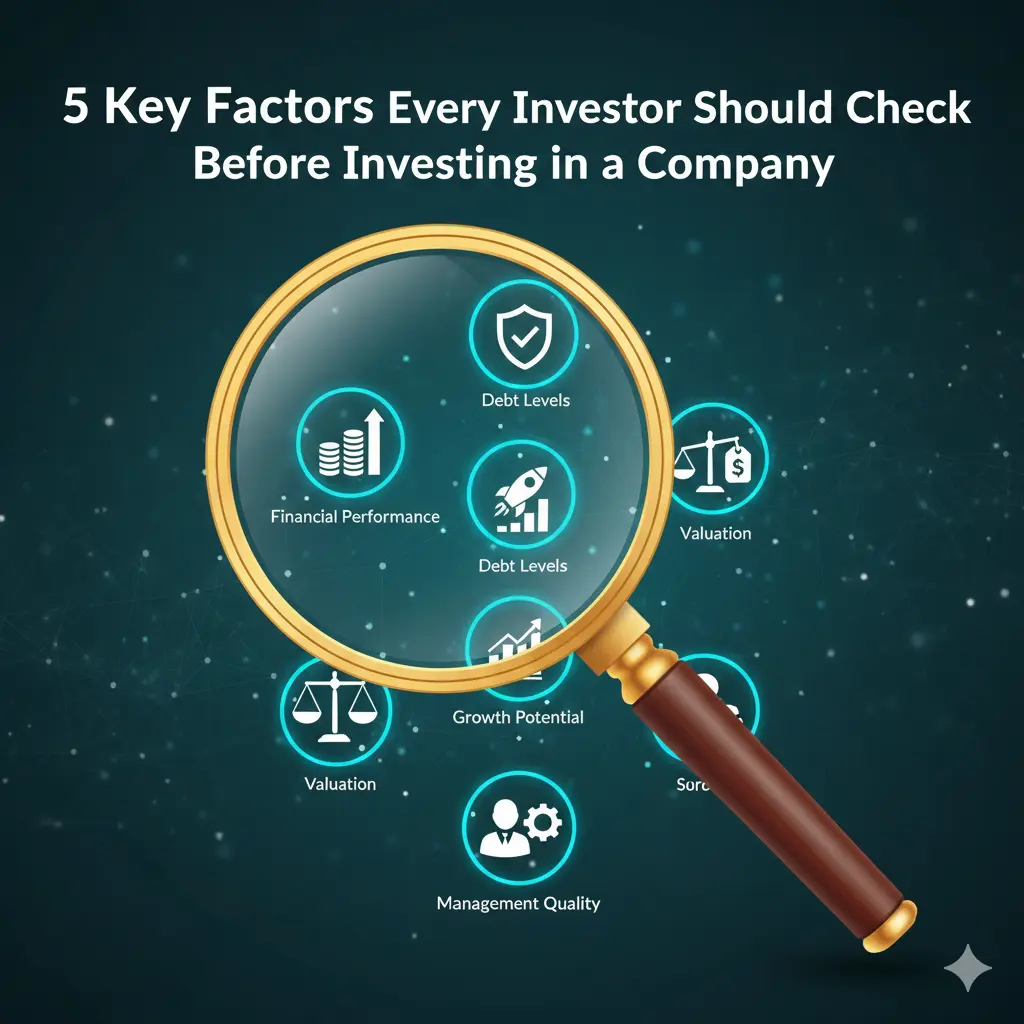
- Look for Stable Companies
Focus on:
- Large caps
- Consistent profits
- Strong leadership
- Low debt
- Check Financial Health
Look at:
- Revenue growth
- Profit margin
- PE ratio
- ROE & ROCE
- Understand the Business Model
If you cannot explain the company in 1–2 sentences, don’t invest.
- Avoid Penny Stocks
They look cheap, but extremely risky.
- Mistakes Beginners Must Avoid
❌ 1. Investing based on tips, rumors, and WhatsApp groups
Always do your own research.
❌ 2. Expecting quick profits
Stock market is a long-term wealth machine.
❌ 3. Overtrading
Trading too much increases brokerage & losses.
❌ 4. No risk management
Never put all money in one stock.
❌ 5. Emotional trading
Fear & greed cause maximum losses.
- Best Stocks for Beginners (Safe Blue-Chip Picks)
These companies are known for stability and long-term growth:
- HDFC Bank
- TCS
- Infosys
- Reliance
- Asian Paints
- Hindustan Unilever
- ICICI Bank
(Not financial advice; educational purpose only.)
- How Much Should You Invest as a Beginner?
Start small. A simple rule:
Start with ₹500–₹2,000 per week
Increase as your knowledge grows.
- Final Advice for Beginners
- Learn first → Invest later
- Focus on long-term wealth
- Avoid risky trades
- Track your portfolio monthly
- Study successful investors (Warren Buffett, Rakesh Jhunjhunwala, Peter Lynch)
Conclusion
The stock market is one of the best ways to build long-term wealth if you follow the right approach. Start slow, stay consistent, avoid emotional decisions, and focus on learning and discipline.
By understanding the basics and building a simple system, anyone can become a confident investor in 2026.